Civil War
Opening: $200
Estimate: $200 - $400
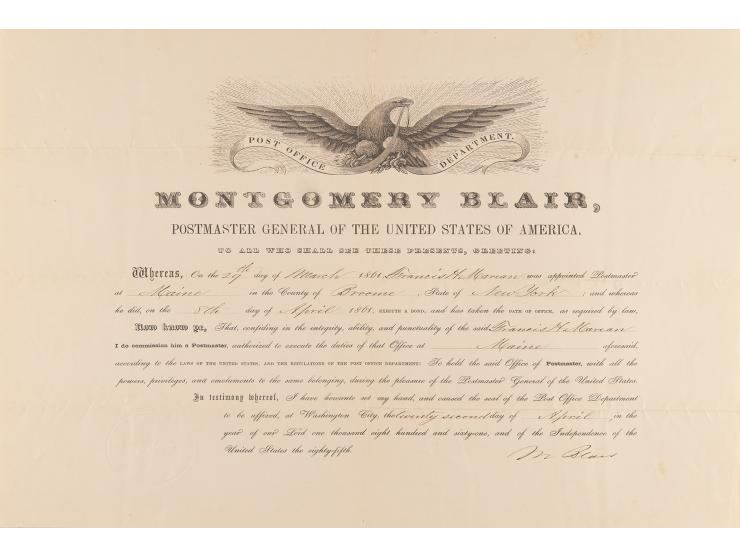
Civil War–dated partly-printed DS, signed “M. Blair,” one page, 16.5 x 13, April 22, 1861. Postmaster General Blair commissions Francis H. Marean, having "taken the Oath of Office, as required by law," as "a Postmaster, authorized to execute the duties of that Office at Maine." Signed at the conclusion in ink by Postmaster General Montgomery Blair. In fine condition. A desirable document signed at the outset of the Civil War, dating to just ten days after the bombardment of Fort Sumter.
Opening: $200
Estimate: $200 - $400
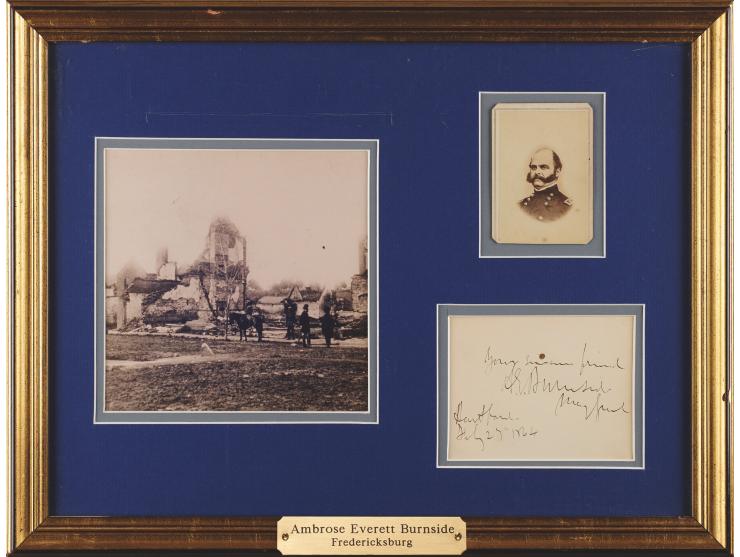
Civil War–dated ink signature, "Your sincere friend, A. E. Burnside, Maryland, Hartford, Feb'y 27, 1864,” on an off-white 4.5 x 3.5 slip. Double-matted and framed with an original carte-de-visite portrait and a battlefield image to an overall size of 17.5 x 13.5. In fine condition.
Opening: $100
Estimate: $100 - $200
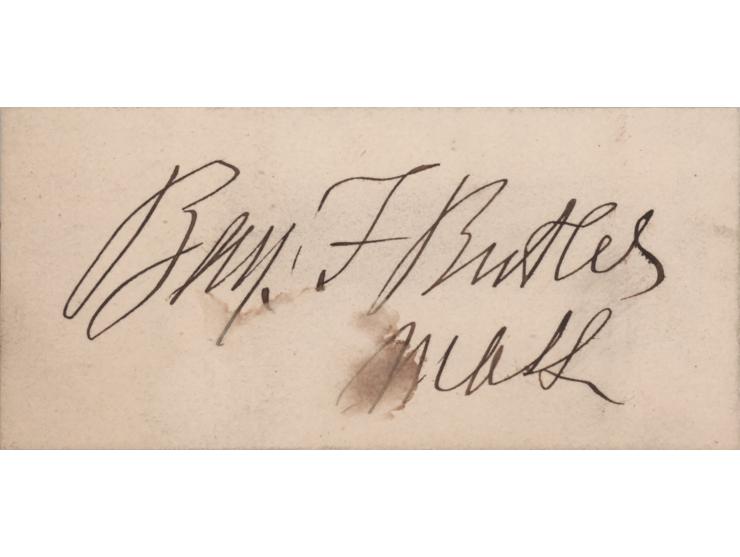
Ink signature, "Benj. F. Butler, Mass,” on an off-white 3.25 x 1.5 card. In fine condition, with a stain beneath the signature. Accompanied by an engraved portrait of Butler, featuring a facsimile signature.
Opening: $200
Estimate: $600 - $800
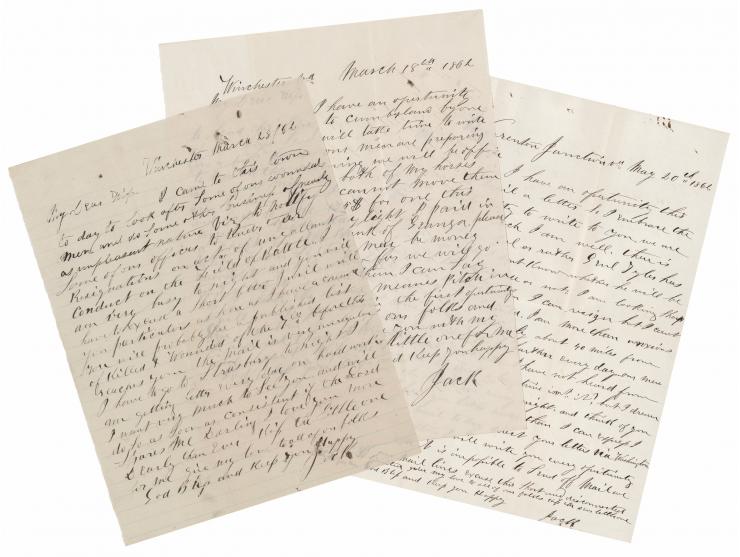
Three Civil War-dated ALSs from John S. Casement, each signed “Jack” and addressed to his wife, the noted suffragist Frances Jennings Casement, written between March and May 1862, as he prepared and battled in the Shenandoah Campaign against Stonewall Jackson's Confederate forces. The earliest handwritten letter, sent from Winchester, Virginia, on March 18, 1862, as the regiment was preparing to meet Stonewall Jackson's cavalry at the start of the Shenandoah Campaign, reads: “Our men are preparing to march this morning. We will be off in a few minutes. Both of my horses are so lame that I cannot move them and had to pay 175$ for one this morning before daylight.”
The second letter, again from Winchester, dated March 28th, five days after helping to defeat Jackson at the Battle of Kernstown, reads, in part: “I came to this town today to look after some of our wounded men and do some other business of nearly as unpleasant nature, viz., to notify some of our officers to tender their resignations on acts of ungallant conduct on the field of battle. I am very busy tonight, and…you will probably see a published list of killed & wounded of the 7th before this reaches you."
The last letter, written from Warrenton, VA, on May 20, 1862, at the heart of the Shenandoah Valley campaign: “We are still on the march…Col., or rather Genl. [Erastus] Tyler has not joined us yet. I don't know whether he will be assigned to this brigade or not. I am looking sharp for the time to come when I can resign, but I can't see it yet. I wish I could…We are now only about 40 miles from Washington." In overall fine condition. Casement's correspondence with his wife is of such consequence that it was showcased in Ken Burns' American Experience production, Transcontinental Railroad. With a few exceptions, the Casement letters now reside at Kansas State University. These are the only Casement letters to have ever been auctioned.
John Stephen Casement (1829–1909) was a prominent American Civil War general and railroad executive. Born in New York, Casement began his career in construction before enlisting in the Union Army at the onset of the Civil War, eventually rising to the rank of brigadier general. He played a significant role in several key battles, including the Shenandoah Valley Campaign, the Siege of Vicksburg, and the Atlanta Campaign. After the war, Casement became a notable figure in the railroad industry, working on the Union Pacific Railroad and overseeing the construction of the transcontinental railroad. His post-war contributions were instrumental in the expansion of the American railway system, marking him as a key figure in both military and transportation history.
The Shenandoah Valley Campaign, a significant series of military operations during the American Civil War, involved two notable campaigns in 1862 and 1864. In 1862, Confederate General Thomas ‘Stonewall’ Jackson led a brilliant campaign through the Shenandoah Valley, employing rapid and unpredictable movements to tie down larger Union forces and divert attention from Richmond. Jackson's actions, including victories at battles such as Kernstown, Winchester, and Port Republic, not only boosted Confederate morale but also disrupted Union plans and protected the Confederate capital from early capture.
In 1864, the Shenandoah Valley saw intense conflict again as Union General Philip Sheridan launched a campaign to decisively defeat Confederate forces and deny the South the Valley's agricultural resources. Sheridan's aggressive tactics led to key victories at the Third Battle of Winchester, the Battle of Fisher's Hill, and the Battle of Cedar Creek. These successes secured Union control over the Valley and contributed to the eventual downfall of the Confederacy by depriving it of essential supplies and weakening its military strength. The Shenandoah Valley Campaigns thus played a critical role in the broader context of the Civil War, influencing its outcome significantly.
Weapons, Uniforms, and Artifacts
Opening: $200
Estimate: $200 - $400
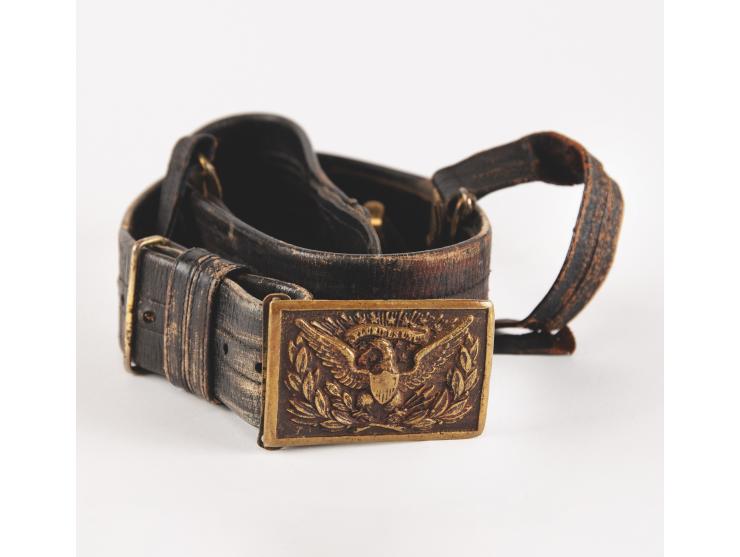
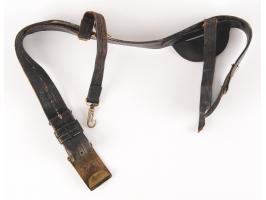
Civil War Union Officer’s leather belt, approximately measuring 34˝ in length, with a brass-tone Union officer’s ‘Eagle’ belt buckle. In very good condition, with various wear to leather.
Opening: $200
Estimate: $1,500 - $2,000
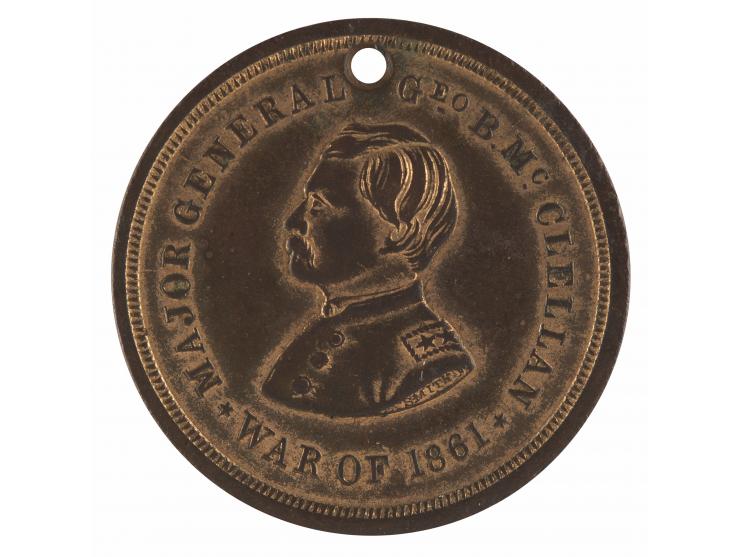
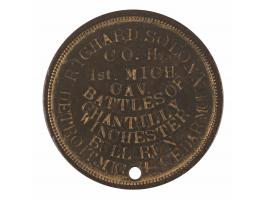
Remarkable original private-purchase identification disc of Private Richard Solon of Company H, 1st Michigan Cavalry, who saw action alongside George A. Custer's cavalry at Gettysburg. The excavated disc measures approximately 1.25˝ in diameter and features the portrait of Major General George B. McClellan on the front, with "War of 1861" below; the reverse is engraved: "Richard Solon, Detroit, Mich. Cedar Moun., Co. H., 1st Mich. Cav., Battles of Chantilly, Winchester, Bull Run." In very good to fine condition.
The First Michigan Cavalry was organized at Detroit and mustered into federal service on September 13, 1861, with an enrollment of 1,144 officers and men. The regiment left for Washington, D.C. on September 29, 1861, and went into camp near Frederick, Maryland, where it remained several months. It was during this time that Richard Solon, then a resident of Frederick, enlisted and was mustered in as a private in Company H. During his service with the regiment Solon was promoted to bugler and would see some of the hardest cavalry righting of the war, to include action with Custer's cavalry at Gettysburg.
Solon was wounded by gunshot on June 11, 1864, at Trivillion Station, and listed as 'missing, known wounded.' He was taken prisoner there and confined in Richmond until his parole on September 1, 1864. The freed cavalryman was admitted to the hospital on September 22, 1864, and on January 7th the long-suffering trooper was subjected to amputation of his left leg. Solon would be discharged for disability at Harper Hospital, Detroit, Michigan, and continued to suffer the effects of his wounds until his death on June 12, 1898.
Notably, this 'best of kind' identification disc is pictured in the book Battlefields of the Civil War by William C. Davis (p. 101).
Civil War
Opening: $200
Estimate: $200 - $400
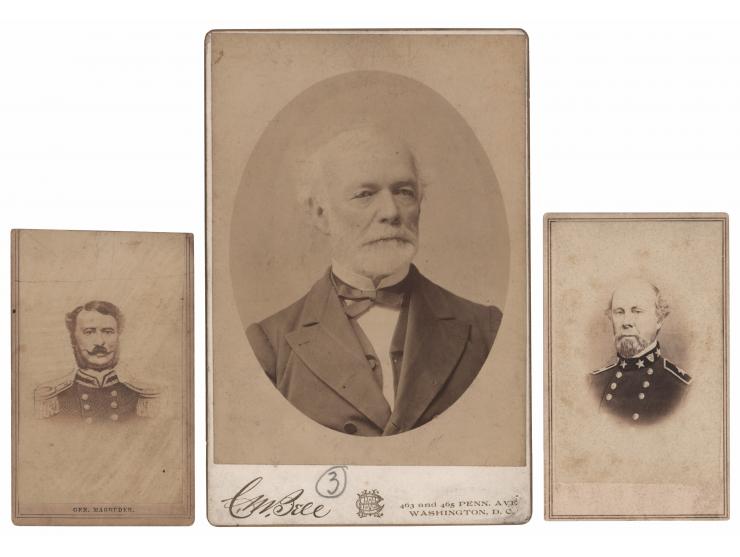
Three cabinet card and carte-de-visite portraits of Confederate generals, mostly showing them in uniform, with subjects including: Joseph E. Johnston (cabinet photo), Robert Barnwell Rhett (CDV), and John B. Magruder (CDV). In overall very good to fine condition.
Opening: $100
Estimate: $100 - $200
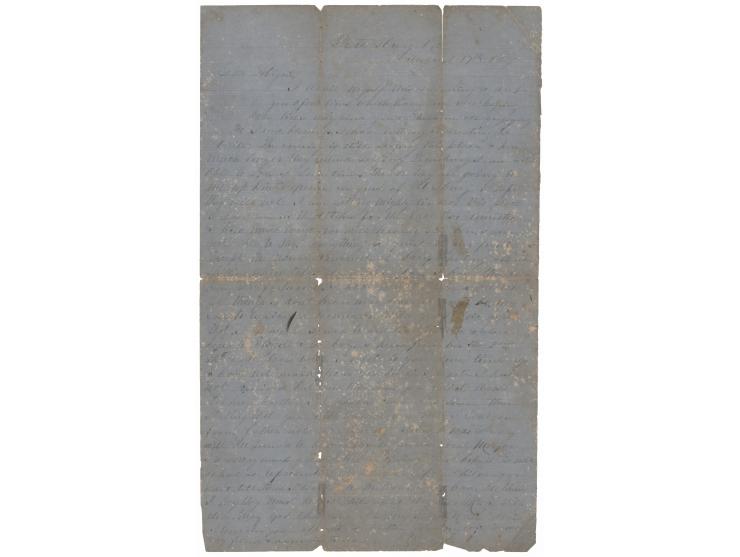
Civil War-dated ALS signed “E. W. Jones, 59th Ala. Regt.,” one page both sides, 8 x 13, August 17, 1864. Handwritten letter from Petersburg, Virginia, while under siege. In part: "The enemy is still sieging this place & how much longer they intend sieging Petersburg I am not able to say. I sometimes think they are going to put up winter quarters in front of Petersburg. I hope they will not. I am getting mighty tired of this place. I have been in the ditches for the last two months & how much longer we will have to stay here, I am not able to say. Everything is quiet in our front except the usual amount of Sharp-Shooting & Mortar Shelling which takes place during the day. I have this far been very fortunate. I have not got a fight yet, though I don't know how long it may be my call to receive a wound or killed yet." In fair condition, with split intersecting folds, heavy soiling and staining affecting legibility of portions of the text, and fading to portions of the ink.
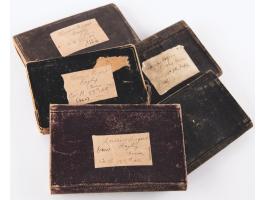
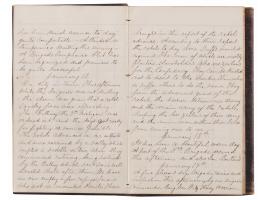
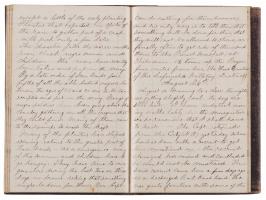
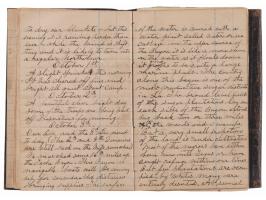
Opening: $200
Estimate: $1,000 - $2,000
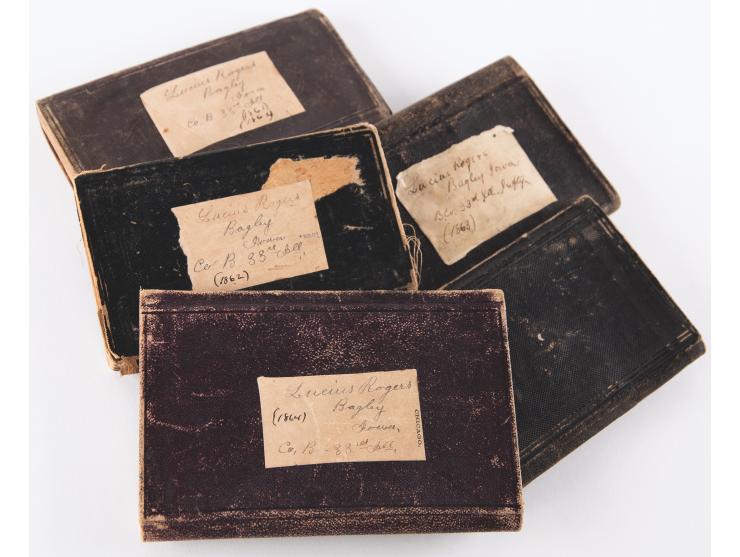
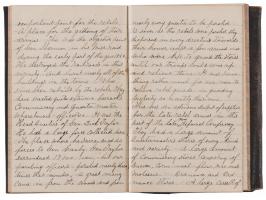
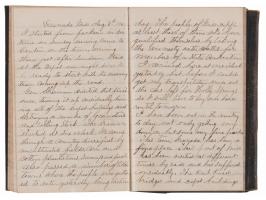
Five leatherbound Civil War diaries kept by Lucius Rogers of Company B, 33rd Illinois Infantry, from 1861 to 1865, offering remarkable, comprehensive insight on the experiences of the regiment, its battles, lines of travel, dates and places of encampment, and conditions throughout the Civil War.
The diaries provide a continuous firsthand account of Union service in the Western Theater of the Civil War. The 33rd Illinois operated extensively in the Mississippi Valley and Gulf regions, supporting Union campaigns that secured control of the Mississippi River and extended Federal authority across Louisiana, Texas, and Alabama. Rogers records marches through Louisiana’s bayou country, reviews by generals including Ulysses S. Grant and Nathaniel P. Banks, and skirmishes with Confederate forces, while also noting the broader social upheaval of the war—abandoned plantations, the recruitment of formerly enslaved men into Union service, and the difficult transition in Southern communities as the Confederacy collapsed.
A few notable excerpts:
September 4, 1863: "Our whole corps was reviewed by Gens. Grant, Banks and staffs. The generals showed themselves to be good horseman. A part of our Div. took transports at Carrollton, came down and landed at Algiers opposite to New Orleans. We are about taking the cars for Brashear Citty 84 miles west by R.R."
October 3, 1863: "Our Div. and the 3rd Div. moved today…We marched some 16 miles up the Teche Bayou. This Bayou is navigable, boats will be coming up for considerable distances bringing supplies. The surface of the water is covered with a water plant called water or sea cabbage…The country along this bayou is one of the most productive sugar districts in La. The broad level fields of the sugar plantations lay on each side of the Bayou, extending back two or three miles to the woods and swamps. But a very small proportion of the land is under cultivation. Most of the negroes have either been run into Texas or have sought refuge within our lines. But few plantations are occupied by whites, many are entirely deserted…At several places we noticed traces of skirmishes had by Gen. Banks with the rebels when he advanced through this country last spring.
January 12, 1864: "This afternoon while the Brigade was out drilling the alarm was given that a rebel cavalry force were approaching. The Battery (the 7th Michigan) was ordered out, and the boys got ready for fighting as soon as possible. The rebels advanced on our outposts and were received by a volley which emptied a saddle or two, when they commenced retiring, being hastened by the battery which sent some well directed shells after them. We have in our employ a few…mounted scouts…According to their report the rebels today were Duff's mounted regiment, the men of which are mostly planters, slaveholders, who are zealous for the Confederacy. They can be trusted not to desert to the Yankees themselves or suffer others to do the same. They form the advanced guard of the rebels, the barrier between our army and the main army of the rebels, keeping the less zealous of their army and the union men within their lines from coming over to us."
August 23, 1864: "By a late order of Gen. Banks four fifths of all the able bodied negroes between the ages of 18 and 40 are to be conscripted and put in the army. Gangs of negro soldiers have been going about the country gathering in all the negroes that they could find. Many of them run to the swamps to avoid the draft. Many of the planters have stopped giving rations to the greater part of their hands—as a consequence many of the women and children have to go hungry. They have come to our quarters during the last two or three days in droves, asking that something might be done for them. Our Capt. can do nothing for them, however, and his only way is to tell them that something will be done for them, that they will not be allowed to starve."
May 3, 1865, near Montgomery, Alabama: "The town in good times done considerable business. Many of the merchants have opened their stores since we have come but they have but little to sell, at most a beggarly account of empty boxes. Our troops have but little money, and Confederate money is not allowed to circulate. There are many rebels in town, who have been in the rebel army, dressed in their dirty gray uniforms they are quite a contrast to our boys."
August 8, 1865, Granada, Mississippi: "I started from Jackson…Gen. Sherman visited that place once, tearing it up considerably, burning all of the Depot buildings and destroying a number of locomotives and rolling stock. The train started at six o'clock. We came through a country diversified by uncultivated fields, corn and cotton plantations, swamps and forests. Also passed a number of little turns where the people were gathered to vote, yesterday being election day. The people of Mississippi, at least those who have qualified themselves by taking the amnesty oath, voted for members of a State Convention."
In overall very good to fine condition.
Opening: $200
Estimate: $400 - $600
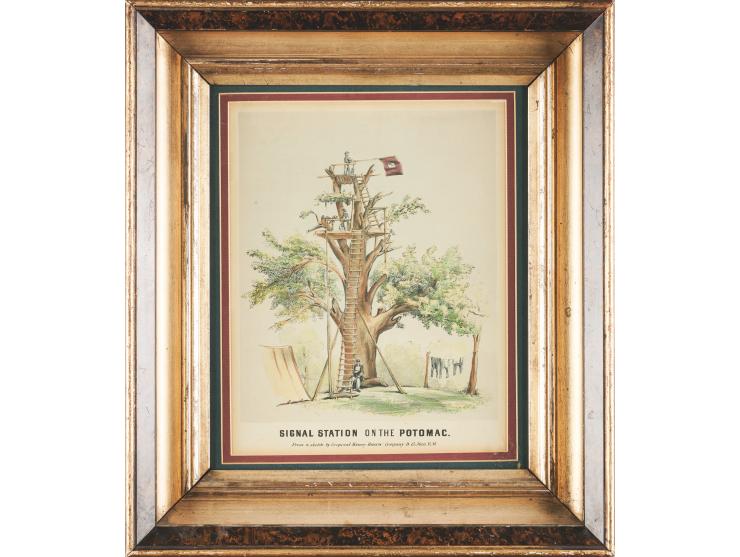
Hand-colored 8.25 x 10.5 lithograph showing a flag-bearing Union signal officer in a treetop station, captioned in the lower border: "Signal Station on the Potomac, From a sketch by Corporal Henry Bacon, Company D. 13 Mass. V.M." Double-matted and framed to an overall size of 14.5 x 16. In fine condition.
Weapons, Uniforms, and Artifacts
Opening: $200
Estimate: $800 - $1,200
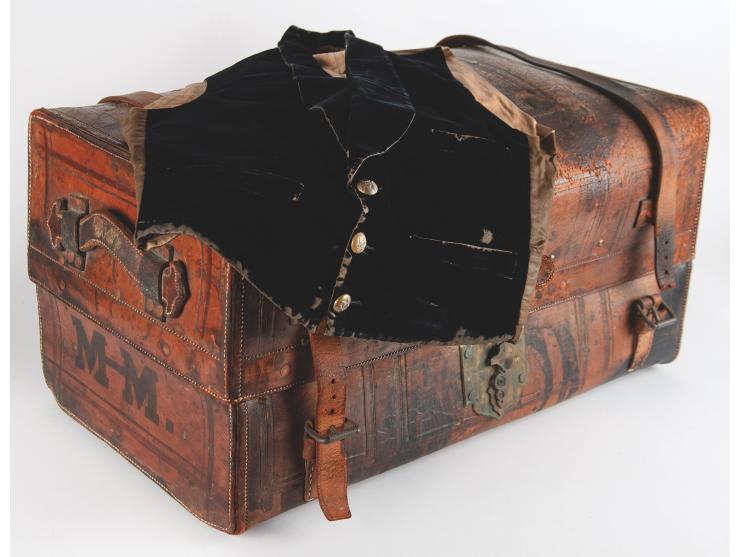
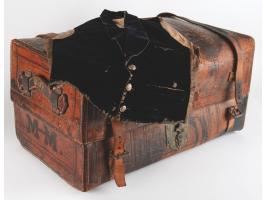
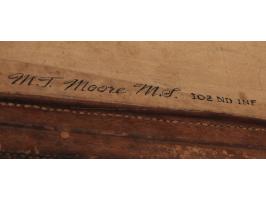
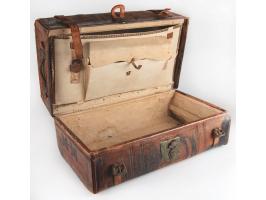
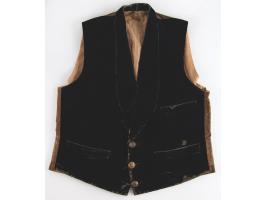
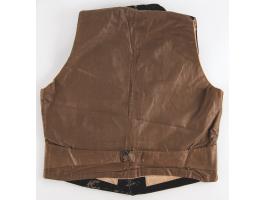
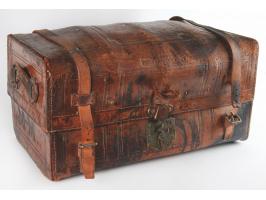
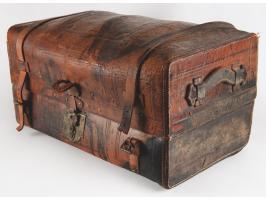
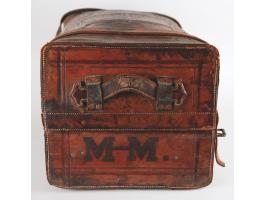
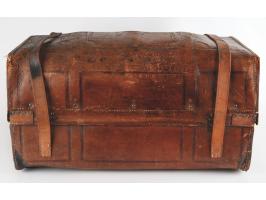
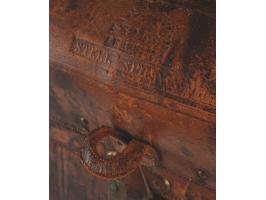
Two items attributed to the Civil War service of Assistant Surgeon Marshall T. Moore of the New York 102nd Infantry Regiment, including: a large leather trunk, measuring approximately 26.5˝ x 13.5˝ x 16˝, with the physician's initials stenciled on the left panel, "M—M.," his name inked inside the lid, "M. T. Moore, M.S., 102nd INF," and the cover blindstamped "Warranted Sole Leather"; and Moore's plush velvet vest, inked on the inside pocket, "M. T. Moore," with three coat-sized eagle buttons on the front. In overall good to very good condition, with heavy wear to the trunk, including splits to the leather straps. Moore enlisted on June 19, 1863, and was present at the Battle of Gettysburg.
Civil War
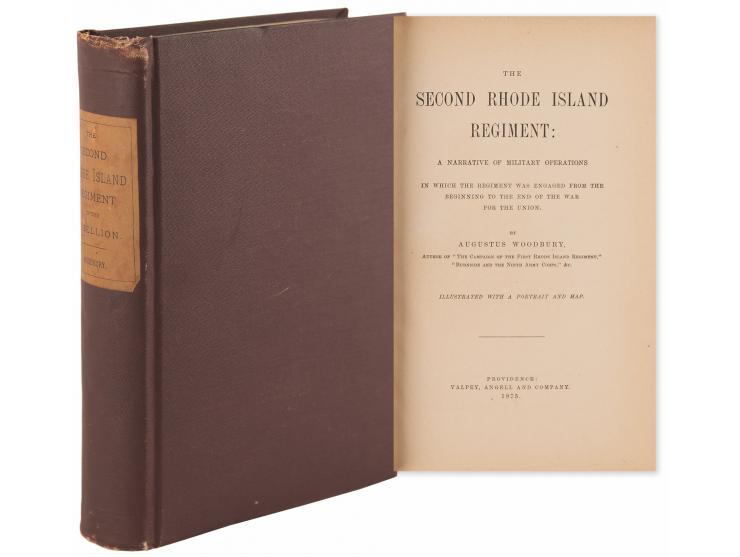
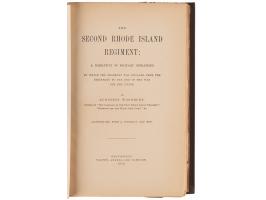
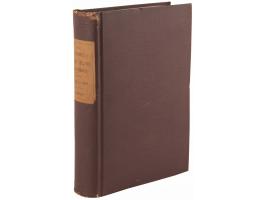
Civil War: The Second Rhode Island Regiment: A Narrative of Military Operations by Augustus Woodbury
Opening: $200
Estimate: $200 - $400
Civil War history book: The Second Rhode Island Regiment: A Narrative of Military Operations by Augustus Woodbury. First edition. Providence: Valpey, Angell and Company, 1875. Hardcover, 6 x 8.5, 633 pages, with loosely laid-in "Map of the Operations of the Second Rhode Island Regiment, 1861–1865" map by J. A. Latham/E. L. Freeman & Co. In very good to fine condition, with partial splits to the map's folds and wear to the ends of the spine.
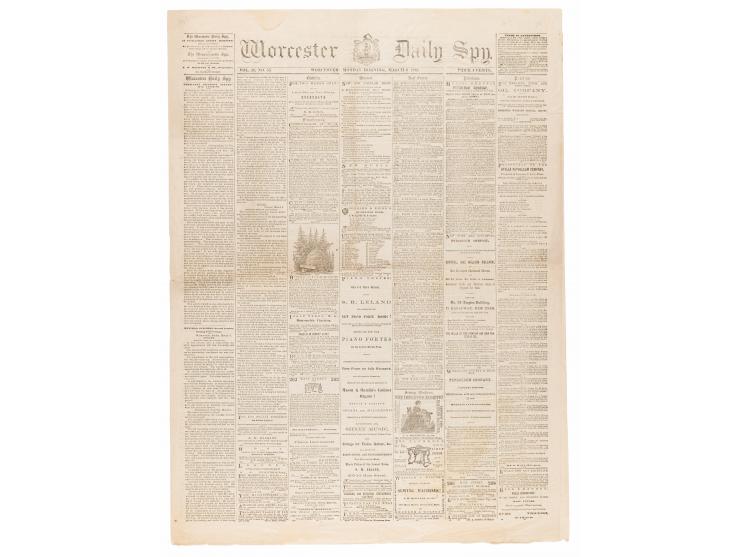
Civil War: The Worcester Daily Spy from March 6, 1865, with Abraham Lincoln's Second Inaugural Address: "With malice toward no one, with charity for all"
Opening: $200
Estimate: $200 - $400
Complete issue of the Worcester Daily Spy from March 6, 1865, 17.75 x 24, four pages, with coverage of the events surrounding Abraham Lincoln's second inauguration and the complete text of his second inaugural address, including a slight misquote of the famous concluding lines: "With malice toward no one [sic], with charity for all, with firmness in the right, as God gives us to see the right, let us strive on to finish the work we are in, to bind up the nation's wounds, to care for him who shall have borne the battle and for his widow and his orphans; to do all which may achieve and cherish a just and lasting peace among ourselves and with all nations." Also includes articles on Civil War news, such as the capture of Confederate General Jubal Early's forces by Union General Philip Sheridan, plus local items, congressional updates, advertisements, and public postings. In very good to fine condition, some creasing, edge tears, and light dampstaining.
Opening: $200
Estimate: $200 - $400
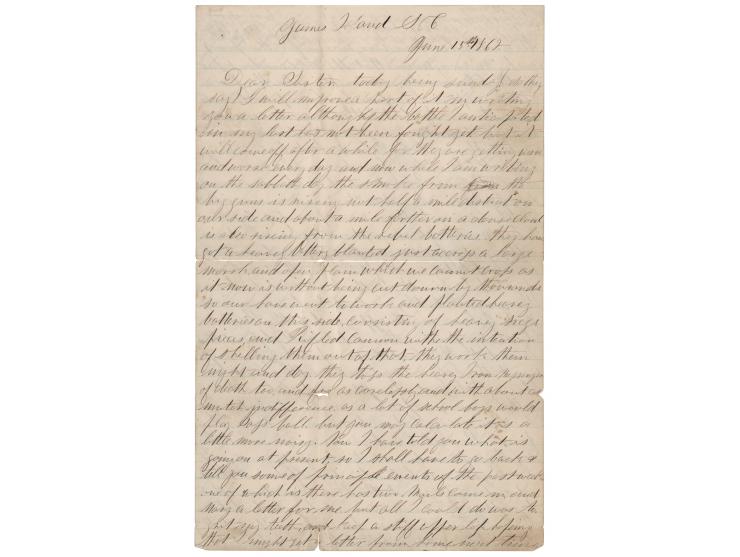
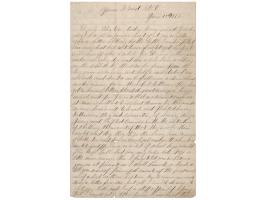
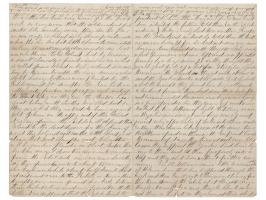
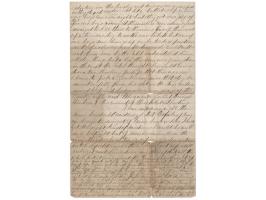
Civil War-dated ALS, signed “Emmett Cole,” four pages on two adjoining sheets, 8 x 12.5, June 15, 1862. Handwritten letter by Emmett Cole of Company F, 8th Michigan Infantry, reporting on action at James Island, South Carolina. The Battle of Secessionville, won by the Confederates, would be fought the next day on June 16, 1862.
In part: "Dear Sister…the smoke from the big guns is riseing not half a mile distant on our side and about a mile farther on a dense cloud is also riseing from the rebel batteries. they have got a heavey battery planted just accross a large marsh and open plain which we cannot cross as it now is without being cut down by thousands. so our have went to work and planted heavey batteries on this side, consisting of heavey siege pieces, and Rifled cannon with the intention of shelling them out of that. they work them night and day. they toss the heavey Iron Messengers of death too, and for as carelessly and with about as mutch indifference as a lot of school boys would play Bass ball, but you may calculate it is a little more noisy….
my last was written on Coles Island, but by crossing a small channel we found ourselves on what is called James Island, which is about six miles long, by two in breadth. the very same on which sutch heavey batteries were planted by the Rebels against Ft. Sumpter, the Gun boats are getting into position as for upon each ride of the Island today as they can. the Monitor lies just below with another Iron Clad boat so they say which they intend to bring against Fort Johnson on the upper end of this Island. it is my opinion the Rebels will defend this Island to the last degree. for they know if we get this Island, and another little Island just above, that Fort Sumpter and Charlston will be yankee plunder in short Metre.
there has been several deserters come into our lines from the Rebel side since we came here. they say their force amounts to about 12,000. one of our Engineers while about half drunk deserted and went over to the Rebels. in two or three days after our men found his body between their Picket line and ours, pierced with three balls. it is supposed that the Rebels tried to find out by him how large our force was and how situated. the fellow told them (so the Rebel deserters say) that we only had two or three Regts on the Island, (and no dout he told them the truth as near as he could for he had not seen any more haveing been connected with Wrights Brig only which forms our extreme left, and is sepparated from us by a large swamp) so they thought they would just pick up what few straggling yankees there was on the Island, they got ready at once & made the Yankee deserter act as guide, but behold what the result.
they found our boys all ready a lookout from a tree had seen the whole plan and communicated the same, our boys were lying in a piece of woods when they came up and were backed by two batteries of light Artillery as soon as they were near enough our boys rose up and poured voly after voly of balls into their ranks cutting them down like gross, at the same time the Batteries opened on them with Grape and Canister the amount of it was they turned and run like cusses. they supposed the Yankee had been lying to them and led them purposely into a trap and they shot him without further ceremony. I will tell one more little circumstance of the war here that has happened through the week and then I will quit telling war stories for this time.
Some of the Rebels up at Wrights Brig thought it would be a nice thing to shoot now and then a Picket so they arranged their sharp shooters in the bushes and trees as near our posts as they dared, and would let a bullet slip when our boys came in sight, but they got enough of that for our boys arranged themselves accordingly, and managed to kill three to their one. One of them went up a tree one day to watch our Pickets, but one of our boys saw him go up. so he took a position in the bushes as near the tree as he could without being seen by the Rebel and watched him all day long, but when the sun was going down in the west the Rebel thought he would come down too. thinking prehaps that there was no chance to pick a yankee any more that day. he moved carefully from his seat in the tree and commenced to decend. he soon come in range of the Yankee rifle and Whiz went a Bullet through his heart. this wound up their Picket Shooting.
I am not very well the same hard cold and cough that I spoke of long ago hangs to me yet. if I was home where I could get the right kind of medicine I could be well in a Fortnight, but if men are unwell in the army they see hard times especialy when out on sutch expeditions as this. I have not reported sick yet and have done my share of duty all the while, but it goes against the Grain sometimes. I told you when you wrote to me to tell me about the little boys and Ida I have not heared from them in a long while tell the little boys I am comeing back as soon as the war is ended to see them." In good to very good condition, with splits to intersecting folds.
Civil War: United States Sanitary Commission Report: "Narrative of the Privations and Sufferings of United States Officers & Soldiers while Prisoners of War in the Hands of the Rebel Authorities"
Opening: $200
Estimate: $200 - $400
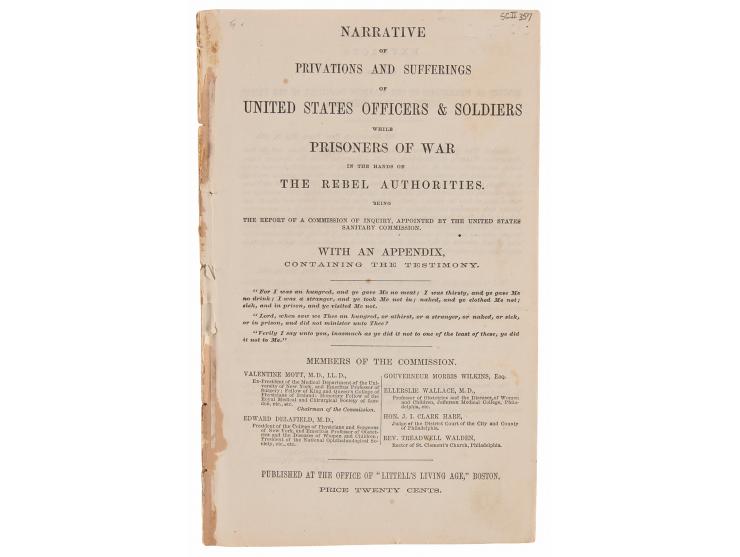
Booklet entitled "Narrative of the Privations and Sufferings of United States Officers & Soldiers while Prisoners of War in the Hands of the Rebel Authorities, being the Report of a Commission of Inquiry, Appointed by the United States Sanitary Commission." Boston: Published at the Office of 'Littell's Living Age,' 1864. Disbound, 5.5 x 8.5, 86 pages. The publication reprints the commission's report, preceded by four woodcut copies of photographs of starving Union soldiers after their return from imprisonment at Belle Isle. In fine condition, with adhesive remnants to spine.
Weapons, Uniforms, and Artifacts
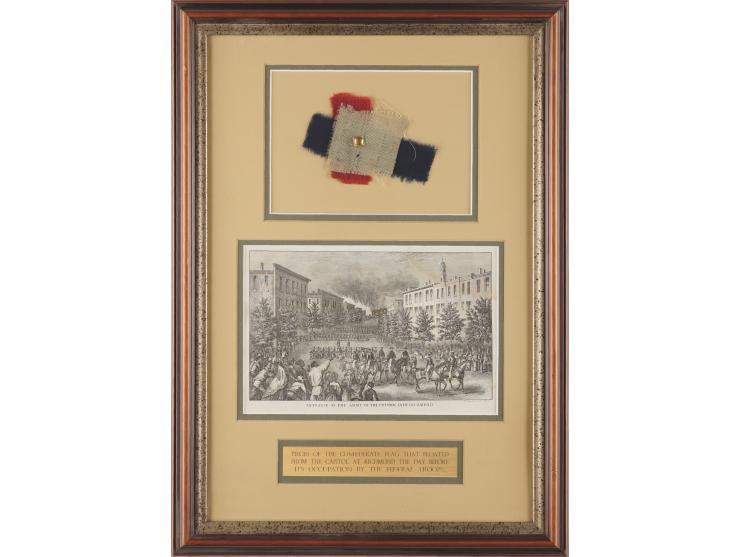
Confederacy: "Relics of the Confederate Flag That Floated From the Capitol at Richmond the Day Before Its Occupation by the Federal Troops"
Opening: $200
Estimate: $400 - $600
Three fragments of attributed to the Confederate flag flown over Richmond on the eve of its occupation by Union forces—one red (3" x 1.5"), one blue (4.5" x 1.25"), and one white (2" x 2.5")—mounted with an original lithograph entitled "Entrance of the Army of the Potomac Into Richmond" and attractively matted and framed to an overall size of 14 x 20. An identification plaque below reads: "Relics of the Confederate Flag That Floated From the Capitol at Richmond the Day Before Its Occupation by the Federal Troops." In fine condition. Accompanied by a 1988 letter from the registrar of the Museum of the Confederacy, responding to an inquiry about the swatches, in part: "We do have several pieces of flag similar to the ones you describe in our collections, so I would have no reason to doubt the authenticity of your piece."
Civil War
Opening: $200
Estimate: $400 - $600
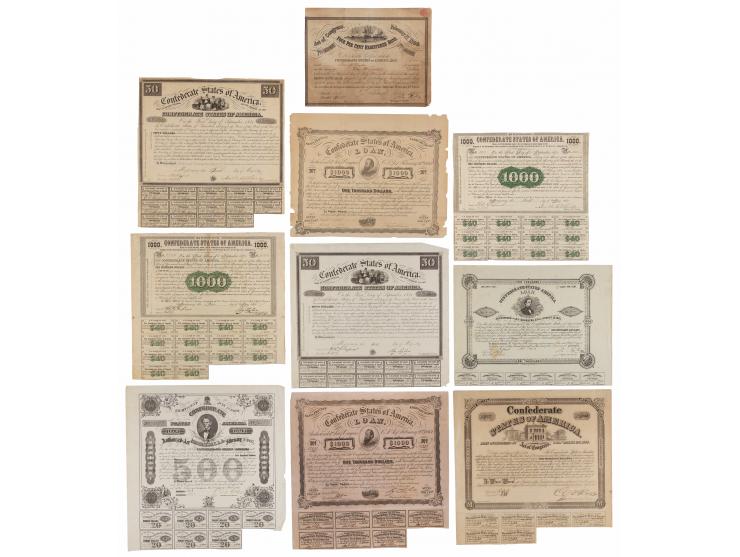
Collection of ten Confederate bonds, ranging in date from May 1, 1861, to February 17, 1864, many with original coupons still attached. Several boast interesting pictorial vignettes, including portraits of Stonewall Jackson and Jefferson Davis, a naval engagement, and allegorical scenes. In overall very good to fine condition.
Post-Civil War
Opening: $200
Estimate: $400 - $600
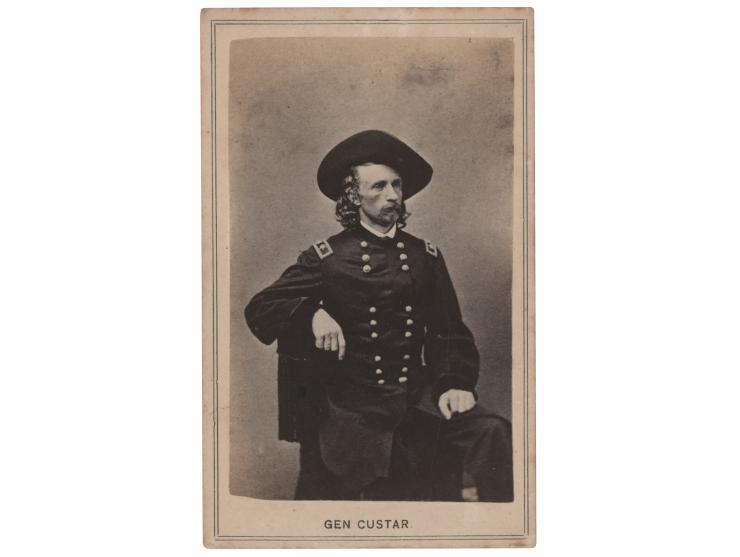
Scarce 2.5 x 4 carte-de-visite photograph of George Armstrong Custer seated in his two-star Major General field uniform. The lower front border is printed, “Gen Custar,” a misspelling that indicates that this photograph was originally published by John Goldin & Co., Washington, D.C. The reverse bears no backmark. In fine condition.
Civil War
Opening: $200
Estimate: $400 - $600
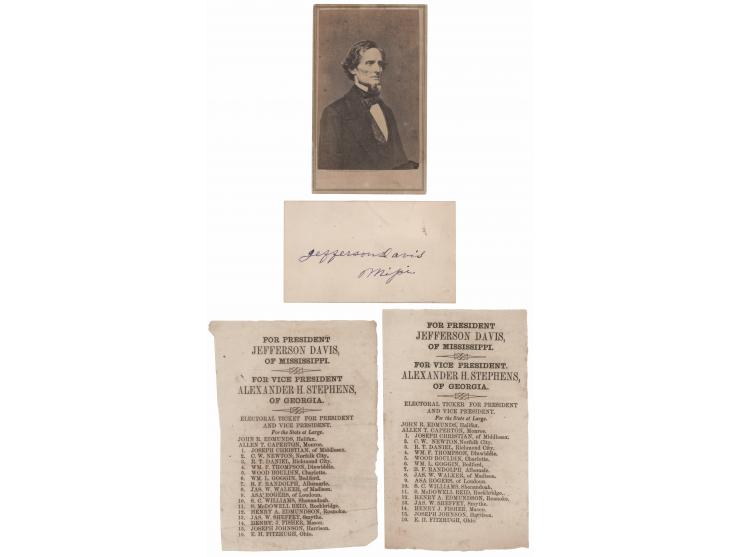
Ink signature, "Jefferson Davis, Missi.,” on an off-white 3.5 x 2 card. In fine condition, with a couple of trivial stains in the upper blank area. Accompanied by a carte-de-visite portrait of Jefferson Davis published from a Brady negative by. E Anthony of New York, and two original electoral tickets from Virginia, headed: "For President Jefferson Davis, of Mississippi. For Vice President, Alexander H. Stephens, of Georgia."
Opening: $200
Estimate: $600 - $800
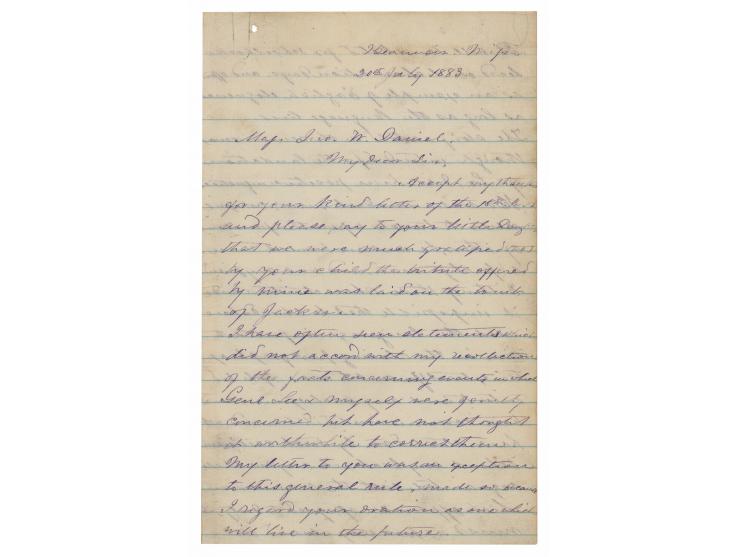
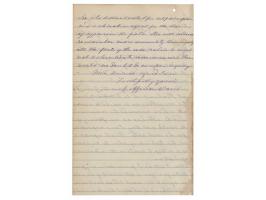
ALS written and signed on behalf of Jefferson Davis by his wife Varina, four pages on two adjoining sheets, 6 x 9.5, July 20, 1883. Handwritten letter to John W. Daniel. In part: "I have often seen statements which did not accord with my recollection of the facts concerning events in which Genl. Lee & myself were jointly concerned but have not thought it worthwhile to correct them. My letter to you was an exception to this general rule, made so because I regard your oration as one which will live in the future. It will be selected for schoolbooks, heard on declamation days, and offered as an example of English eloquence as long as the language lives.
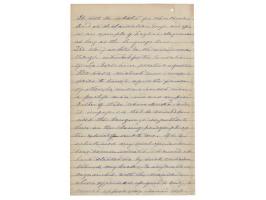
The story as told in the reminiscences though intended for the laudation of Lee, does him positive injustice. He was a modest man, careful never to trench upon the function of others, he was an honest man, a fearless man, and was my friend. Either of these characteristics made it impossible that he should have used the language imputed to him in the closing paragraph of the extract you sent to me. If he had entertained any such opinion he would have communicated it to me and not have stabbed me by such criticism behind my back. To any one at all acquainted with the manner in which officers are assigned to duty, it must appear very absurd that a General in the field should refuse to assign an officer not under his command to an army of which he had no immediate control & in the meantime admit that the President, if he thought proper, could make such assignment. I often did consult Genl. Lee about matters outside of his immediate command and as he stated before the Grand Jury at Richmond, he habitually consulted me, whenever he could do so, about all which concerned his command, and he added, as we uniformly agreed, he could not say I was responsible for his overt acts. Thus he reported to me his testimony, when he was called as a witness to sustain the indictment against me.
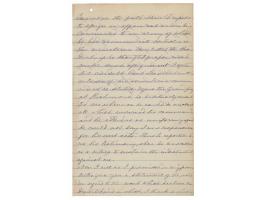
Now I will as promised in my former letter give you a statement of the facts in regard to the event which has been so distorted, and in which I think it is Custis Lee who deserves credit for self abnegation and a chivalric regard for the claims of officers in the field. He will no doubt remember more minutely than myself all the facts of the case, & while he might not volunteer to communicate them would no doubt do so upon inquiry." In fine condition, with a tiny hole and paperclip mark to the upper corner. A remarkable letter by the former Confederate president on his general in chief.
Opening: $200
Estimate: $600 - $800
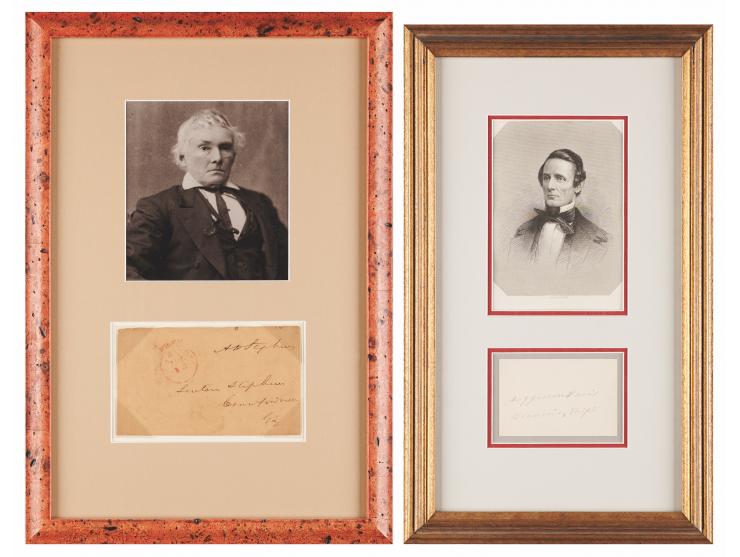
Desirable pairing of autographs from the president and vice president of the Confederate States of America: an ink signature, "Jefferson Davis, Beauvoir, Missi.," on an off-white 3.5 x 2.25 card, mounted, double-matted, and framed with an engraving to an overall size of 9.5 x 15; and a hand-addressed free frank, 5.5 x 3.25, addressed by Alexander Stephens to "Linton Stephens, Crawfordsville, Ga," franked in the upper right corner, "A. H. Stephens," corner-mounted, matted, and framed with a portrait to an overall size of 11.25 x 16.25. In overall fine condition, with soiling to the Stephens envelope.
Opening: $200
Estimate: $600 - $800
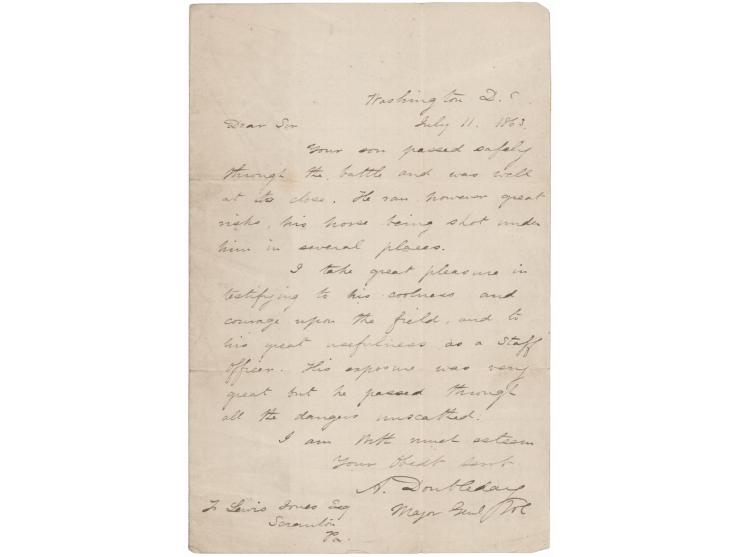
Civil War-dated ALS signed “A. Doubleday, Major Genl.,” one page, 5 x 7.75, July 11, 1863. Handwritten letter to Lewis Jones, regarding his son's heroics in battle—presumably the Battle of Gettysburg, which had just been fought from July 1–3, 1863. In full: "Your son passed safely through the battle and was well at its close. He ran however great risks, his horse being shot under him in several places. I take great pleasure in testifying to his coolness and courage upon the field and to his great usefulness as a staff officer. His exposure was very great but he passed through all the dangers unscathed." In fine condition.
Written just days after the pivotal Union victory at the Battle of Gettysburg, this letter offers a vivid, firsthand glimpse into the immediate aftermath of one of the Civil War’s most consequential engagements. Addressed to Lewis Jones, Doubleday reassures him of his son’s safety while recounting the extreme dangers he faced on the battlefield. The general’s praise for the young officer’s “coolness and courage” reflects the intensity of the fighting and the personal valor displayed during the Union army’s defining triumph.
Opening: $200
Estimate: $600 - $800
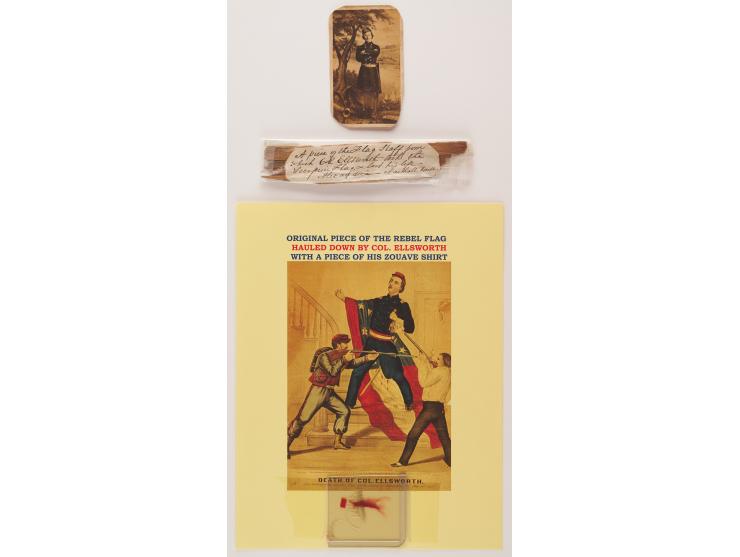
Two swatches of the Confederate flag torn from the roof of the Marshall House—one red and one white in color, each about 1˝ x .25˝. The weave and color of the cloth entirely consistent with material used at the time to construct flags. Lying above the flag remnants is a 3/8" x 1/8" swatch of finely-woven crimson red fabric identified as a piece of Ellsworth's shirt. This is consistent with the regiment's dark blue Zouave style uniforms with red shirts and trim on the jacket and pant's stripe.
The relics are clippings from larger pieces which were accompanied by two paper tags with period identification notations, in full: "Col. Ellsworth, his trophy and a piece of his Shirt" and "Pieces of the Secession Flag taken by him, and a piece of the robe shirt on him at the time of his death." These were housed in a period daguerreotype case, a small image of which is included.
Also includes a 6.5˝ x 1.25˝ wooden fragment, identified as "A piece of the Flag Staff from which Col. Ellsworth took the secession flag & lost his life—Alexandria—Marshall House." Further accompanied by a carte-de-visite portrait of Elmer Ellsworth standing in a full-length pose, published by J. Gurney & Son. In overall very good to fine condition, with trimmed edges to the carte-de-visite's mount.
Opening: $200
Estimate: $300 - $400
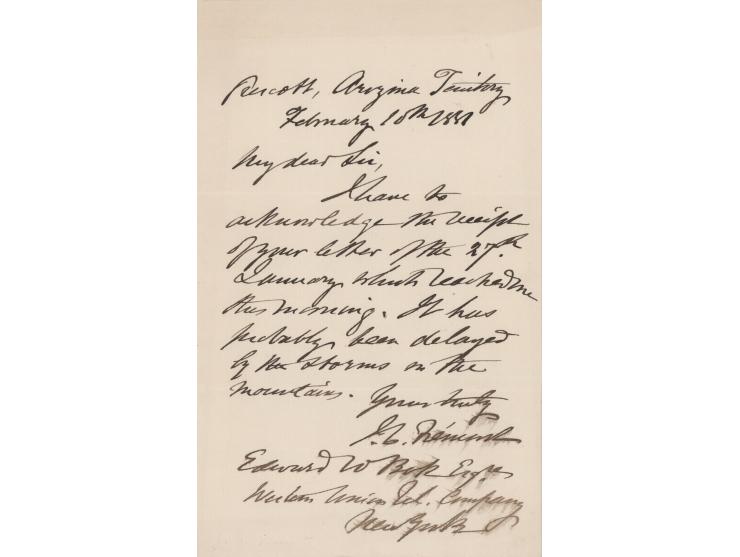
ALS signed “J. C. Fremont,” one page, 5 x 8, February 18, 1881. Handwritten letter to Edward W. Bok, written from "Prescott, Arizona Territory." In full: "I have to acknowledge the receipt of your letter of the 27th January which reached me this morning. It has probably been delayed by the storms in the mountains." In very fine condition, with trivial brushing to the end of the letter.
Weapons, Uniforms, and Artifacts
Opening: $200
Estimate: $600 - $800
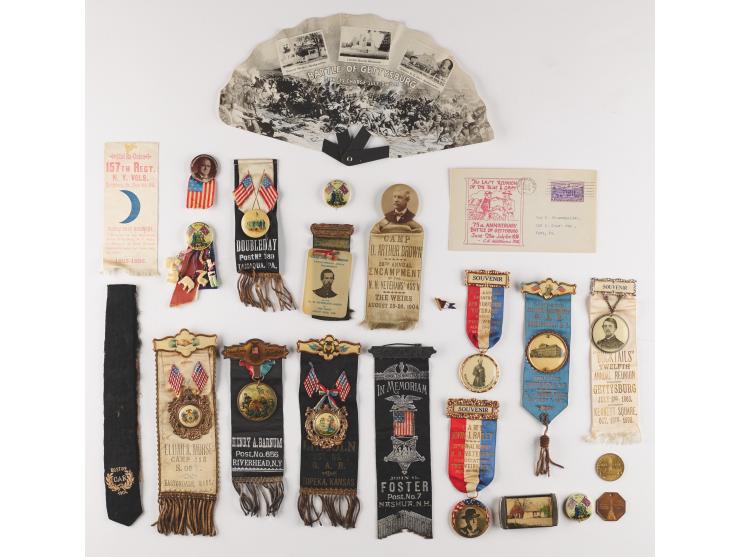
Large grouping of 23 pieces of Grand Army of the Republic (GAR) memorabilia, highlighted by ribbons, badges, and medals. Includes a "Boston GAR 1904" thin necktie; "Lincoln, Post No. 1, Topeka, Kansas" ribbon; "Henry A. Barnum, Post No. 656, Riverhead, N.Y." ribbon; "Elijah A. Morse, Camp 118, S. of V., Eastondale, Mass." ribbon; "John G. Foster, Post No. 7, Nashua, N.H." ribbon; "Doubleday, Post No. 189" ribbon; "Thirty-Sixth National Encampment, G.A.R., Washington, D.C….October 7, 1902" souvenir ribbon; souvenir ribbons from the 24th, 28th, 35th, and 37th annual "N.H. Veterans Association" reunions; a "21st Re-Union, 157th Regt., N.Y. Vols." ribbon; a souvenir ribbon from the "'Bucktails' Twelfth Annual Reunion" at Gettysburg in 1898; three pinback buttons honoring the 50th anniversary of the Battle of Gettysburg; an enameled "Gettysburg" pin; a postal cover honoring the 75th anniversary of Gettysburg; a match safe depicting Lee's headquarters at Gettysburg; a pictorial hand fan with scene of Pickett's Charge; and two commemorative Gettysburg coins.